
This post may contain affiliate links. You can find the full disclosure here.
How did people survive the great depression? And what can we learn from people who survived the Great Depression? I'll share with you some saving money + Great Depression survival tips.
Have you ever met someone who was alive during the Great Depression? They are changed people.
The Great Depression left a great impression on their thoughts, their styles, and their frugal habits.
Many of these survivors of the Great Depression hoard money, became pack rats, and in general have trouble parting with anything that may possibly be of use down the road. And who can blame them?
Many people ask "How did people survive the Great Depression"?
I wonder how many times saving the ends of a loaf of bread or scraping the mold off of a brick of cheese meant the difference between eating and going hungry.
Great Depression Survival Stories
Before I even started researching for this article, I knew the perfect Great Depression story to share (because it's from my family).
My grandfather was born in 1928 and grew into a young boy in the aftermath of the US economic collapse.
Growing up in the Great Depression, my Pop-pop remembers his parents opening up our hay barn for random people to sleep in on cold winter nights.
He also remembers that he and his family were “not so bad off”; they were farmers during the Great Depression, so they had the land and the knowledge to grow most of the food they consumed (you can see the back of our barn and silo in this photo below).
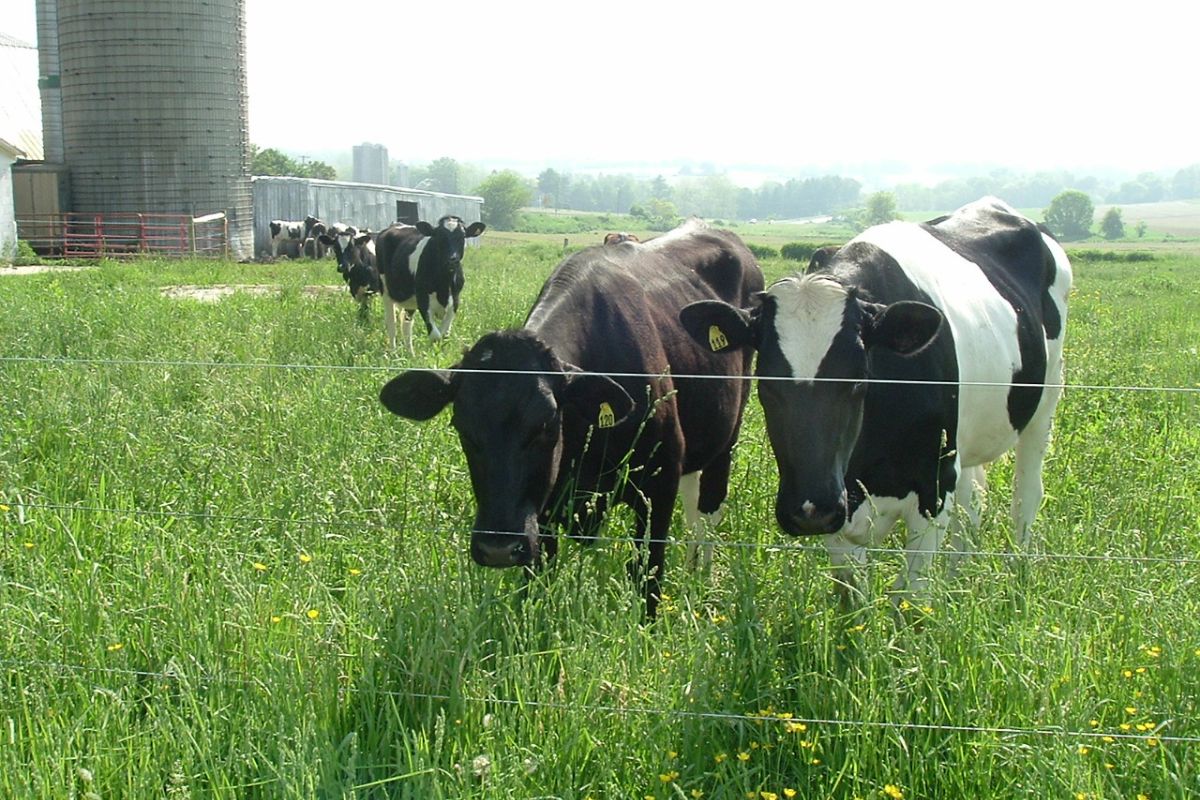
In fact, Pop-pop told me that anyone who spent the night in their barn was also given a plate of food for the night, which shows how valuable their garden truly was.
His impressionable years during a time of great financial ruin impacted the rest of his life dramatically, from his hoarding of cash and mistrust of companies and banks, to his refusal to use air conditioners and instead spend his summers in sweat-drenched muscle shirts. When he died he left an inheritance for each of his children from a measly family dairy farmer’s income.
Great Depression Living
Great Depression living – what did it look like? How did people survive? What were their daily lives like and How was life during the Great Depression?
The Great Depression to frugal people holds the same intrigue as Sedona to New Age people, which is why I've chosen this time as a small research project for myself.
I have read of the bank failures, the stock market crash, the suicides, and the Dust Bowl, all of which have been written about extensively.
I have heard Great Depression stories of bad credit loans, and how banks + people went under together during this time period. And I've seen my own grandfather's extreme frugality stemming from a childhood in the aftermath of this intense time period.
But a few burning questions of mine about this time have never fully been answered:
- How did people actually survive the Great Depression?
- What sort of frugal habits came about?
I want to learn how people made do with less and how people actually survived the day-to-day with little money.
Before I list some of the examples I found during my research, let’s put everyone into the mindset of the Depression era.
Live Like the Great Depression
Imagine this: the stock market has crashed and your money in it is gone.
The value of your home has plummeted (that may not be difficult for some to imagine, especially since many experienced this in the last Great Recession).
You see a line forming outside of several banks and begin to wonder if you should get your own money out of them and stuff it into a mattress. Your job cuts your wage by 25%, but you feel fortunate to still have one.
Except that six months later consumer demand is a speckle of what it used to be, so your job enforces furloughs. Unfortunately, the money you had set aside in your bank is not liquid at the moment due to bank issues. What do you do?
Please note: As this article is meant to be useful to everyone as both an eye-opener to how comfortable people of today actually are (even those who call themselves “frugal”, which includes myself), as well as an inspiration to maintain our frugal habits, I left out the heart-breaking and destitute acts committed by families to survive. I don’t wish to sugar coat this time period and the suffering of others, so I’d like to mention that these include eating from the garbage, eating every other day, abandoning families, living in Hoovervilles, etc.
Pssst: in a bad financial situation? You can check out my 197 Emergency Financial Assistance Resources article (broken down by nationwide resources AND resources specific to the top 10 cities).
Frugal Recipes from the Great Depression – A Collection
While researching for this article, I found it fascinating to see what people can do with simple, few ingredients, to keep food on their family's table.
The other thing I loved? Is that these recipes are all passed down from mothers, grandmothers, and cooks who actually used them during the Great Depression to keep the family going.
I found this 91-year-old woman who has a YouTube channel with frugal recipes from the Great Depression! Here's her "The Poorman's Meal" recipe, below.
Also, here's Abby Jo's grandmother's frugal great depression recipe – chocolate cream pie – that was used in the 1930s.
Pizza is so great for frugal living because you can usually make it out of what you've got on hand. I loved watching Clara make her mother's Great Depression pizza. She also gives a few tidbits about what it was like being a child during the Great Depression.
This woman's mother would make Haluski – cabbage and noodles – during the Great Depression. A whole meal for under $5!
This man's friend's grandmother used to make this Jewish Salad when she cooked for another family during the Great Depression.
Here's a Depression-era Meat Loaf recipe that was published in 1938.
Let's move on from Great Depression recipes to actual frugal living tips with a big impact on people who survived it.
How to Survive a Great Depression Tips – Frugal Living Ideas from the Depression
Wondering how to survive a great depression? Here are my specific tips on how to prepare for the next recession. And below, I've got lots of specific research on frugal living tips from people who survived the Great Depression.
- Sell Apples on the Street Corner: Pacific Northwest apple growers had a surplus of apples, and decided to sell a crate to unemployed people at $1.75 per crate. Selling the 60-72 apples on the street corner would yield $3.00, and after paying Pacific, a person could reap around $1.25.
- Roll Your Own Cigarettes
- Eat Food from the Wild: Such delicacies as blackberries, dandelions, and games were for the taking in the country but not in the city. Other people gathered corn kernels from fields and roasted them over fires, or picked fruit from people’s trees (I am not suggesting you do this).
- Substitute Other Things for Meat: Families ate more beans, macaroni and cheese, pancakes, and other gut-filling foods that were less expensive than meats. One type of meat that became popular was sardines: introducing the mashed sardine and mayonnaise sandwich.
- Family Members Work to Supplement Income: This included mowing lawns, shoveling snow, delivering newspapers, babysitting, shoe-shining, passing out ads, selling door-to-door, mining, etc.
- Repair Your Clothes with Objects around the House: Shoes were often repaired with cardboard, scotch tape became popular, and coats were lined with blankets.
- Give up Your Telephone: Telephone service declined from 20 million in 1930 to less than 17 million in 1933. Long-distance phone calls dramatically decreased.
- Postpone Life Decisions: Divorce rates dropped because people could not afford the cost, and they needed one another to survive. People postponed weddings and having children.
- Practice Out of Your Home: Doctors, dentists, and other professionals who previously rented offices instead moved their practices to their homes.
- Leave the City: A chunk of people fled the cities and went into farming instead; at least they knew they would eat.
- Give up Your Car: The bicycle has become a popular choice for transportation.
- Make Use of Your Neighbor and Vice Versa: After many people’s water was shut off, they looked to neighbors to give them buckets or pails of water for cooking, washing up, etc. People also traded clothes with neighbors.
- Live/Sleep Elsewhere: People who found themselves without a home, apartment, or bed traveled the streets, slept on other people’s couches, in other people’s garages, in barns, lived in caves, and generally slept wherever they could.
- Pawn Your Belongings
- Use Socks as Gloves
- Trade Work for Food: Can you clean houses, babysit, cook, cut hair, etc.? People would trade their services for food instead of pay.
- Join a Food Co-Op: A group would purchase bulk food at a discount and split it up.
- Move in With Other Families
But you know what? People are super creative and resourceful no matter what situation they find themselves in.
I'll show you what I'm talking about, with ways companies and people were still making money during the Great Depression.
Making Money During the Great Depression – 9 Products Popularized by the Great Depression
The Great Depression popularized many products and activities that are still ingrained in American culture today.
In general, activities that consumed hours of time for a nominal cost and allowed the participants to escape from the reality of the times were the ones that gained in popularity.
And products that provided a way to stretch the life out of belongings and/or to add convenience to women’s household tasks (most households could not afford to employ a maid or cook like in earlier years) became mainstream during this era.
While some we wish had never been invented, like the annoying chain letter, others have become classics (Monopoly, anyone?).
Each of these products and activities below were not necessarily invented during the Great Depression but became popularized during it.
- Scotch Tape: Repairing everything instead of purchasing new was what everyone did during the Great Depression. Scotch tape, developed by the Minnesota Mining and Manufacturing Company in the 1920s, offered a cheap way to make things last longer.
- Snickers Bar: While people did not have a lot of extra money to spend on food, sugar was incredibly cheap during the Great Depression years, so candy became very popular because it was affordable.
- Foods that Lessened the Housewife’s Load: It was no longer affordable for families to hire maids, and so women’s tasks at home multiplied. Because of this, food products that were simple and convenient became popularized, such as Campbell’s Soup, Twinkies, Spam, and Bisquick.
- Miniature Golf: This was by no means invented during this time period, but because of its relative cheapness (compared with other entertainment), and ease of construction, this became a popular fad across the U.S. You could use scrap metal and other cheap materials to open up a golf course and hope to strike it rich.
- Monopoly: Who wouldn’t be enticed by a game that starts you off with $1500 (just like each of the other players) and gives you the chance to become a real estate tycoon?
- Bingo: This was a cheap way to bet and try to win some cash, as well as for organizations to raise money. Churches, private parties, and charitable organizations across the US popularized this game that previously had only appeared at carnivals and fairs.
- Chain Letters: Something that still annoys and pesters today…during the 1930s people eagerly signed their names onto chain letters and sent the person whose name and address is on the top of the list some money (a dime or so). The recipient then sends out the chain letter to five more people, with the hopes that the chain remains unbroken so that in turn they will be the recipient of hundreds of dimes.
- Endurance-a-Thons: Anything that lasted days on end and tested the strength of participants found a home during the 1930s. You could grab a partner and if you could stay on your feet, rock in a rocking chair, eat a ton of pies, chew on gum for days, or the like, you could get paid to do so with meals included.
- Financing Through Car Dealerships: GM remained competitive and actually gained market share during this time period partially by offering financing. Since banks were not offering much credit at the time, they took matters into their own hands, and it paid off for the company.
Did you survive the Great Depression, or know others who have? I’d love to hear stories and tidbits of living through the Great Depression. What frugal habits did you use?
Great Depression Survival Resources
The Great Depression: A Diary, Benjamin Roth, 2009
Hard Times, Studs Terkel, 1970
American Popular Culture Through the 1930s, William H. Young with Nancy K. Young, 2002
Daily Life in the United States 1920-1940, David E. Kyvig, 2002

Amanda L. Grossman is a writer and Certified Financial Education Instructor (CFEI®), Plutus Foundation Grant Recipient, and founder of Frugal Confessions. Over the last 17 years, her money work has helped people with how to save money and how to manage money.
She's been featured in the Wall Street Journal, Kiplinger, Washington Post, U.S. News & World Report, Business Insider, LifeHacker, Real Simple Magazine, Woman's World, Woman's Day, ABC 13 Houston, Keybank, and more. Read more here or on LinkedIn.


My mom came out of the depression and she is quite the frugal person. She lives on coupons and deals. Amanda, you would love her and she could be a guest host on your blog show. She has managed to carve out a way for her and my father to live comfortably since their retirement in 1979. She owes it all from living through the depression and having parents with that mindset.
She sounds wonderful! Did your parents save for retirement?
Growing up in rural TN this is some of the things my grandmother ate and did.
Lard sandwiches
Butter and sugar sandwiches
Potato soup and cornbread
Cornbread stuffed in a glass poured buttermilk on top, eat with a spoon.
Beans and cornbread.
Dresses made with cloth flour sacks.
They kept chickens and gathered eggs.
Bartering with neighbors.
Chopped wood all year for the wood stove.
Saved buttons from clothes, reuse old clothes for quilts.
Went to town once every two weeks to save gas.
A wagon would come by to sell necessities every week, kept you from driving into town.
Everything was from scratch, garden produce canned, and a hog was killed in the fall, and cows bartered for in fall.
They had a farm so they made it through the depression.
A lot of my grandmothe'rs sisters, she had 7, married early to get out of the house and not be a burden to their parents.
Hi Gina!
Thank you so much for taking the time to share all of this with us. I have heard about lard sandwiches as well, but not butter and sugar sandwiches (I would think butter and sugar would be expensive? Though I guess not as expensive as meat).
Hey Amanda,
My daughter is learning about the Great Depression in school. She is going to do a powerpoint presentation using answers to 5 key interview questions but she needs to interview someone who lived during that time. Unfortunately, we do not have anyone in our family who lived during that era that she can talk to. If you know of anyone (or your readers) that would be interested in answering her 5 questions so she can learn more first-hand what it was like, please let us know!
Hi Nee!
What a great project. Unfortunately, the only person I knew who lived through the Great Depression was my grandfather (when he was a boy), and he passed away several years ago. Hopefully one of my readers can help!
Thanks Amanda, I hope so to. It is just five questions. We could even post them here for someone to post back answers to if that is more convenient!
You are more than welcome to.
If any of your readers lived through the Great Depression and would like to post their name and answers, here are the interview questions she would like to ask you to learn more about that era. THANK YOU!
1. What was it like to live during the Great Depression?
2. What kinds of meals were eaten during the Great Depression?
3. Were there times you didn’t think you’d make it through the Great Depression?
4. What kinds of work did you do during the Great Depression?
5. How did the Great Depression affect you?
Thank you for the great article! We are struggling to keep food on the table, and your article gave me some ideas on how to stretch even farther.
I "barter" on Listia.com and have traded old movies for new underwear LOL Every little bit helps
Hi Brenda,
I am sorry to hear about your current financial struggles. Thank you for taking the time to comment, and let me know if you have any questions. May 2013 be good to you and your family!
I have listened to my Grandmother tell of the Great Depression. We are now in an age of excess and wealth once again. The world is slowly making it's way back to serious economic recessions with dramatic unemployment, food prices rising significantly, dependance on government, etc. It appears that Americans will have a very difficult time during this due to the lack of fortitude and significant skills to get by. Perhaps during the hard times ahead our once great country will learn sacrifice once again, because unless a person has to do without they will never learn to appreciate what they have.
Hello there, You have done an excellent job. I'll certainly digg it and personally suggest to my friends. I'm sure
they will be benefited from this web site.
Got touched by your expression about your grandfather! Yes, I've faced a depressed person closely as he is my father! I know how the living is with the accounts of single stuff but I think it also gives a different experience of life which is required in fact. Thanks.
top houston restaurants
Personally I find bartering helpful. You get rid of unused stuff and get new things in exchange. I love barterquest.com because you can also swap services or real estate.
My grandma lived through the Great Depression and was very poor. They even slept on dirt floors. Oddly enough, she says the thing she remembers and misses most was spices to flavor the food. I have a huge cupboard full of them and thats not something we even think about or appreciate. Now, I do. Thanks Grandma for helping me appreciate the small things that bring us joy!
I have met many older people that went though the great depression. I can surly say that this ghost haunts them till the present day. While a distance memory in their minds. The feelings and emotions from it are still very vivid in their minds It has played a massive role in their way of thinking sometimes for the better sometimes for worse
I, like you, am a voracious researcher of the frugal habits of those who survived the Great Depression. During the Depression, my father walked the streets of Chicago for three days with his three year old sister, with nothing to eat until someone gave him a quarter. My mother lived on a truck farm and poor does not begin to describe her life. When I was young, we also were poor by the 1960s standards. When my mother didn't have enough material to make my sister and I pants for the winter, she used four different fabrics, a different fabric for each of the front leg pieces and each of the back leg pieces. I hated these "clown" pants, but my mother was desperate to keep us warm. To this day, my favorite meal is one they often ate in the Depression years...fried macaroni and sauerkraut. It sounds disgusting, but is actually good with a little brown sugar thrown in and fried in butter. Believe it or not, some of my kids like it. Yes, the Depression was awful; this world can be just as hard...I know because I survived it. The thought to hold onto is that you can survive if you are willing to work at it. Just don't forget to help the other guy too.
Thank you for sharing the stories of your parents! I am sorry it was so tough for them. The dish sounds interesting:). Most of the "cuisine" we all love today used to be peasant food anyway!
You know, it is sad that things were so tough, but it made them who they are (and me as well). This was a blessing in itself (and I know they agree). None of us would wish for it to be tough on our loved ones or ourselves, but these experiences have prepared us for our lives and we have learned that we can survive and make it. They made a success out of their lives (as did my grandparents) by never giving up and learning to use whatever resources (within and outside themselves) they had to the utmost.
Oh, and one more thought...this one in regards to the person who had trouble with the "editing". It is so sad that they let a few "errors" keep them from reading the great content you had in your article. I have read thousands of books and, even though they have come from the greatest publishing houses, they have all had errors. Such a shame that the mind filled with trivialities and criticisms couldn't expand itself past the minutiae and reach for the wisdom of the article. Keep writing.... I will be checking back.
How did they survive? Do you want a modern example? Look at Zimbabwe in Southern Africa. When it rains the people plant the seeds they have saved in any open space they can find...a bare patch alonside the road or rainway line...a local park...etc. People with pools share their water. Runoff from the roof is piped to the pool, garden or rainwater tank. Those that can, keep chickens. In one area a water pipe has just burst. People are having fist fights over who can collect the water....and so it goes on and on...my parents and grand parents lived thru the depression. My gran made soup every day. To her death she would take off and keep buttons from old worn out clothes before she tore these up to use as rags. Cooking oil was reused. Everything was bought for cash. A pair of laddered stockings were kept. When the next pair laddered she would cut the laddered legs off and wear both pairs at the same time. Each with a good leg...the laddered leg were used to keep shards of soap tobether..this was then used like a soapy sponge...sox were darned..cloths were mended, food was bought in bulk when on sale...excess fruit and veg were bottled...you will make a plan if your life depends on it...
Hello Elaine!
Thank you for sharing your thoughts and the experience of your parents and grandparents.
I agree with most of what you’re saying. I just posted something similar to what you’re talking about on my blog.
Here’s part of what I said about the types of automated trading robots you would like to have.
There are basically 2 types of trading robots. A semi automated and a fully automated. If you want some controls to your trading, you can go for semi automated robot. This robot will create trading signals or what we call buy sell signals and notify the trader about it. The other type is fully automated trading.
For those who do not have time to or just do not want to hands on and trade the market. This is a very good choice. Since the automated robot can help you to place trades by itself .
My father was born in 1921 to a 42 year old mother and a father nearly 60 who was very ill with asthma. His mother went to the bank to pay off the mortgage on their farm and the banker talked her out of it. It seems the banker saw the writing on the wall that my grandparents did not and shortly after the depression hit and the bank foreclosed on my grandparents' fine farm. They still had a cow and some chickens and my father, who was only eight, sold milk and eggs door to door and this is what kept his elderly parents alive.
My mother's family was better off as they had two farms although one was lost for lack of $500 - an amount her father had lent to a friend who could not repay this amount. She talks of re-making her one dress every year so that it would be more stylish and also of using flour bags to make clothes. They always had food and like others have mentioned they never sent any beggar away hungry. With six children they also never were lacking in fun. They would let a 'soup' of old vegetables 'cook' in the sun until it smelled terrible! And the whole farm was their playground. They rode a pony a mile to the nearest town to go to school in the 1920s. A few years ago I drove my mother and her sister to this town and the old school had been torn down, but the shack where they tied the pony was still standing!!! There are many more stories that my mother at 90 is now writing down.
My paternal grandmother lived through the depression. She was lucky, in that her husband had a good job with the telephone company. She still had to cut corners! She used to turn the collars and cuffs of her husband's work shirts when they frayed to get another six months or more wear from them. She made "mock apple pie" with Ritz crackers (I have the recipe!) because fresh fruit was expensive in the city (Boston).
My maternal grandmother also lived through the depression. They lived in a rural area outside Boston and she raised and canned a huge garden, and raised chickens for meat and eggs. Her husband was an engraver, but there were few who could afford that luxury, so he taught his skill at a local high school. Both of these families raised nine children!!
Raising 9 children during the Depression--what a feat! Thank you for sharing your stories.