
This post may contain affiliate links. You can find the full disclosure here.
How did people survive the great depression? And what can we learn from people who survived the Great Depression? I'll share with you some saving money + Great Depression survival tips.
Have you ever met someone who was alive during the Great Depression? They are changed people.
The Great Depression left a great impression on their thoughts, their styles, and their frugal habits.
Many of these survivors of the Great Depression hoard money, became pack rats, and in general have trouble parting with anything that may possibly be of use down the road. And who can blame them?
Many people ask "How did people survive the Great Depression"?
I wonder how many times saving the ends of a loaf of bread or scraping the mold off of a brick of cheese meant the difference between eating and going hungry.
Great Depression Survival Stories
Before I even started researching for this article, I knew the perfect Great Depression story to share (because it's from my family).
My grandfather was born in 1928 and grew into a young boy in the aftermath of the US economic collapse.
Growing up in the Great Depression, my Pop-pop remembers his parents opening up our hay barn for random people to sleep in on cold winter nights.
He also remembers that he and his family were “not so bad off”; they were farmers during the Great Depression, so they had the land and the knowledge to grow most of the food they consumed (you can see the back of our barn and silo in this photo below).
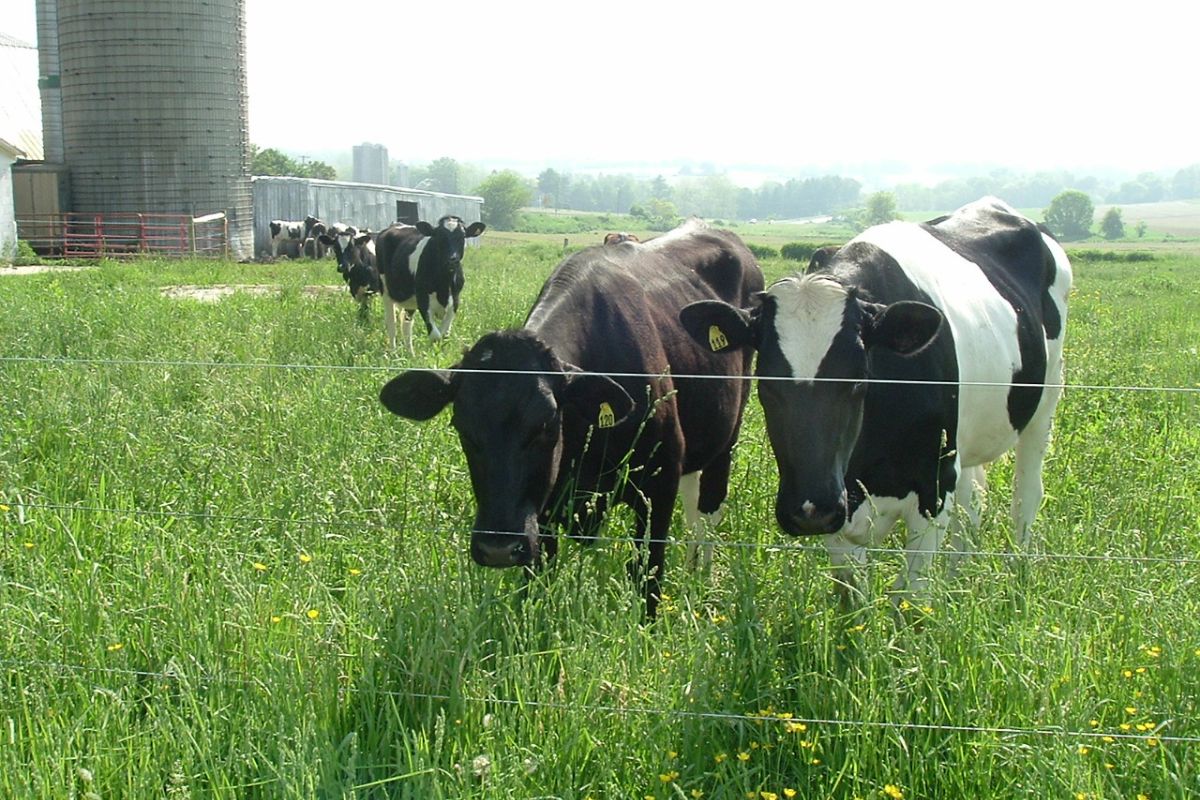
In fact, Pop-pop told me that anyone who spent the night in their barn was also given a plate of food for the night, which shows how valuable their garden truly was.
His impressionable years during a time of great financial ruin impacted the rest of his life dramatically, from his hoarding of cash and mistrust of companies and banks, to his refusal to use air conditioners and instead spend his summers in sweat-drenched muscle shirts. When he died he left an inheritance for each of his children from a measly family dairy farmer’s income.
Great Depression Living
Great Depression living – what did it look like? How did people survive? What were their daily lives like and How was life during the Great Depression?
The Great Depression to frugal people holds the same intrigue as Sedona to New Age people, which is why I've chosen this time as a small research project for myself.
I have read of the bank failures, the stock market crash, the suicides, and the Dust Bowl, all of which have been written about extensively.
I have heard Great Depression stories of bad credit loans, and how banks + people went under together during this time period. And I've seen my own grandfather's extreme frugality stemming from a childhood in the aftermath of this intense time period.
But a few burning questions of mine about this time have never fully been answered:
- How did people actually survive the Great Depression?
- What sort of frugal habits came about?
I want to learn how people made do with less and how people actually survived the day-to-day with little money.
Before I list some of the examples I found during my research, let’s put everyone into the mindset of the Depression era.
Live Like the Great Depression
Imagine this: the stock market has crashed and your money in it is gone.
The value of your home has plummeted (that may not be difficult for some to imagine, especially since many experienced this in the last Great Recession).
You see a line forming outside of several banks and begin to wonder if you should get your own money out of them and stuff it into a mattress. Your job cuts your wage by 25%, but you feel fortunate to still have one.
Except that six months later consumer demand is a speckle of what it used to be, so your job enforces furloughs. Unfortunately, the money you had set aside in your bank is not liquid at the moment due to bank issues. What do you do?
Please note: As this article is meant to be useful to everyone as both an eye-opener to how comfortable people of today actually are (even those who call themselves “frugal”, which includes myself), as well as an inspiration to maintain our frugal habits, I left out the heart-breaking and destitute acts committed by families to survive. I don’t wish to sugar coat this time period and the suffering of others, so I’d like to mention that these include eating from the garbage, eating every other day, abandoning families, living in Hoovervilles, etc.
Pssst: in a bad financial situation? You can check out my 197 Emergency Financial Assistance Resources article (broken down by nationwide resources AND resources specific to the top 10 cities).
Frugal Recipes from the Great Depression – A Collection
While researching for this article, I found it fascinating to see what people can do with simple, few ingredients, to keep food on their family's table.
The other thing I loved? Is that these recipes are all passed down from mothers, grandmothers, and cooks who actually used them during the Great Depression to keep the family going.
I found this 91-year-old woman who has a YouTube channel with frugal recipes from the Great Depression! Here's her "The Poorman's Meal" recipe, below.
Also, here's Abby Jo's grandmother's frugal great depression recipe – chocolate cream pie – that was used in the 1930s.
Pizza is so great for frugal living because you can usually make it out of what you've got on hand. I loved watching Clara make her mother's Great Depression pizza. She also gives a few tidbits about what it was like being a child during the Great Depression.
This woman's mother would make Haluski – cabbage and noodles – during the Great Depression. A whole meal for under $5!
This man's friend's grandmother used to make this Jewish Salad when she cooked for another family during the Great Depression.
Here's a Depression-era Meat Loaf recipe that was published in 1938.
Let's move on from Great Depression recipes to actual frugal living tips with a big impact on people who survived it.
How to Survive a Great Depression Tips – Frugal Living Ideas from the Depression
Wondering how to survive a great depression? Here are my specific tips on how to prepare for the next recession. And below, I've got lots of specific research on frugal living tips from people who survived the Great Depression.
- Sell Apples on the Street Corner: Pacific Northwest apple growers had a surplus of apples, and decided to sell a crate to unemployed people at $1.75 per crate. Selling the 60-72 apples on the street corner would yield $3.00, and after paying Pacific, a person could reap around $1.25.
- Roll Your Own Cigarettes
- Eat Food from the Wild: Such delicacies as blackberries, dandelions, and games were for the taking in the country but not in the city. Other people gathered corn kernels from fields and roasted them over fires, or picked fruit from people’s trees (I am not suggesting you do this).
- Substitute Other Things for Meat: Families ate more beans, macaroni and cheese, pancakes, and other gut-filling foods that were less expensive than meats. One type of meat that became popular was sardines: introducing the mashed sardine and mayonnaise sandwich.
- Family Members Work to Supplement Income: This included mowing lawns, shoveling snow, delivering newspapers, babysitting, shoe-shining, passing out ads, selling door-to-door, mining, etc.
- Repair Your Clothes with Objects around the House: Shoes were often repaired with cardboard, scotch tape became popular, and coats were lined with blankets.
- Give up Your Telephone: Telephone service declined from 20 million in 1930 to less than 17 million in 1933. Long-distance phone calls dramatically decreased.
- Postpone Life Decisions: Divorce rates dropped because people could not afford the cost, and they needed one another to survive. People postponed weddings and having children.
- Practice Out of Your Home: Doctors, dentists, and other professionals who previously rented offices instead moved their practices to their homes.
- Leave the City: A chunk of people fled the cities and went into farming instead; at least they knew they would eat.
- Give up Your Car: The bicycle has become a popular choice for transportation.
- Make Use of Your Neighbor and Vice Versa: After many people’s water was shut off, they looked to neighbors to give them buckets or pails of water for cooking, washing up, etc. People also traded clothes with neighbors.
- Live/Sleep Elsewhere: People who found themselves without a home, apartment, or bed traveled the streets, slept on other people’s couches, in other people’s garages, in barns, lived in caves, and generally slept wherever they could.
- Pawn Your Belongings
- Use Socks as Gloves
- Trade Work for Food: Can you clean houses, babysit, cook, cut hair, etc.? People would trade their services for food instead of pay.
- Join a Food Co-Op: A group would purchase bulk food at a discount and split it up.
- Move in With Other Families
But you know what? People are super creative and resourceful no matter what situation they find themselves in.
I'll show you what I'm talking about, with ways companies and people were still making money during the Great Depression.
Making Money During the Great Depression – 9 Products Popularized by the Great Depression
The Great Depression popularized many products and activities that are still ingrained in American culture today.
In general, activities that consumed hours of time for a nominal cost and allowed the participants to escape from the reality of the times were the ones that gained in popularity.
And products that provided a way to stretch the life out of belongings and/or to add convenience to women’s household tasks (most households could not afford to employ a maid or cook like in earlier years) became mainstream during this era.
While some we wish had never been invented, like the annoying chain letter, others have become classics (Monopoly, anyone?).
Each of these products and activities below were not necessarily invented during the Great Depression but became popularized during it.
- Scotch Tape: Repairing everything instead of purchasing new was what everyone did during the Great Depression. Scotch tape, developed by the Minnesota Mining and Manufacturing Company in the 1920s, offered a cheap way to make things last longer.
- Snickers Bar: While people did not have a lot of extra money to spend on food, sugar was incredibly cheap during the Great Depression years, so candy became very popular because it was affordable.
- Foods that Lessened the Housewife’s Load: It was no longer affordable for families to hire maids, and so women’s tasks at home multiplied. Because of this, food products that were simple and convenient became popularized, such as Campbell’s Soup, Twinkies, Spam, and Bisquick.
- Miniature Golf: This was by no means invented during this time period, but because of its relative cheapness (compared with other entertainment), and ease of construction, this became a popular fad across the U.S. You could use scrap metal and other cheap materials to open up a golf course and hope to strike it rich.
- Monopoly: Who wouldn’t be enticed by a game that starts you off with $1500 (just like each of the other players) and gives you the chance to become a real estate tycoon?
- Bingo: This was a cheap way to bet and try to win some cash, as well as for organizations to raise money. Churches, private parties, and charitable organizations across the US popularized this game that previously had only appeared at carnivals and fairs.
- Chain Letters: Something that still annoys and pesters today…during the 1930s people eagerly signed their names onto chain letters and sent the person whose name and address is on the top of the list some money (a dime or so). The recipient then sends out the chain letter to five more people, with the hopes that the chain remains unbroken so that in turn they will be the recipient of hundreds of dimes.
- Endurance-a-Thons: Anything that lasted days on end and tested the strength of participants found a home during the 1930s. You could grab a partner and if you could stay on your feet, rock in a rocking chair, eat a ton of pies, chew on gum for days, or the like, you could get paid to do so with meals included.
- Financing Through Car Dealerships: GM remained competitive and actually gained market share during this time period partially by offering financing. Since banks were not offering much credit at the time, they took matters into their own hands, and it paid off for the company.
Did you survive the Great Depression, or know others who have? I’d love to hear stories and tidbits of living through the Great Depression. What frugal habits did you use?
Great Depression Survival Resources
The Great Depression: A Diary, Benjamin Roth, 2009
Hard Times, Studs Terkel, 1970
American Popular Culture Through the 1930s, William H. Young with Nancy K. Young, 2002
Daily Life in the United States 1920-1940, David E. Kyvig, 2002

Amanda L. Grossman is a writer and Certified Financial Education Instructor (CFEI®), Plutus Foundation Grant Recipient, and founder of Frugal Confessions. Over the last 17 years, her money work has helped people with how to save money and how to manage money.
She's been featured in the Wall Street Journal, Kiplinger, Washington Post, U.S. News & World Report, Business Insider, LifeHacker, Real Simple Magazine, Woman's World, Woman's Day, ABC 13 Houston, Keybank, and more. Read more here or on LinkedIn.



Thanks for including the link about My Frugal Grandmother. It has been interesting reading all the comments from your readers about their family members that lived through the Great Depression.
You are welcome! My readers are very interested in this topic; you might want to write more on it!
I had an uncle that was born in 1924. He was a very frugal man to say the least. He never married, never owned a car and did not get a telephone until a short time before my grandmother died in 1976. He paid cash for everything and he would walk all the way across town rather than pay $.05 to ride the bus. He was beyond parsimonious! I guess he never got over the effects of the Great Depression and when he died, several old stock certificates that belonged to his grandfather (who died in 1929 before the crash) emerged. Some were worth over $1,000.00 and another dated 1906 was for $500.00 which was more that the average worker made all year. None of these stock certificates are worth anything but their paper value. That right there was lesson enough for him. He never had a dime invested in the stock market, I know that much.
This article is great and really shows what people had to give up during the Great Depression! Could you even imagine now if people tried to give up their cell phones?? No way!
My Grandfather built houses in Detroit before the depression. When everything crashed they had almost nothing. They imported booze from Canada, as it was prohibition, by driving across the ice of the Detroit River, considered unsafe today. They only drove the old cars at night as they couldn’t afford license plates for them. They moved north to their roots and became farmers. They lived in a run down house for free from a family member and used some of the family farm. They did everything. Cut wood for the stove. Hand pumped water for the cows. As vegetables and potatoes would freeze at night in the house they were buried three feet under ground so they would not freeze, this was the storage of the day. Food was supplemented by fishing and hunting, both in season and out of. You want chicken tonight; go get it, which is a lot of work to prepare a live chicken. One chicken lasted several days, which ended in soup for two days. They grew lots of potatoes as they grow in poor soil and one potato is cut up and produces several plants when planted. They were able to sell some produce and were able to buy a farm in 1940 for about $1200. My mother sold the same farm in 1980 for $80,000. Electric and an inside toilet arrived in 1941 a phone in 1956. Everything was patched, repaired, reused. All day was spent doing something, baking, cooking, mending, fixing fence, feeding animals, repairing machinery. Items were shared with the neighbors as they were in the same place. Good day fishing, give some to the neighbors. Neighbor had a productive apple tree, apples for the neighbor hood.
My grandparents felt fortunate to have lived so well during these times because there were so many others less fortunate. This is a reminder to me to try to be grateful for what I have.
Having gone from being a fairly well-off housewife to being a low-income single mother, I can say that the biggest money savers in my life are cooking from scratch and buying secondhand clothing. Also, a change in mindset is important. It's amazing how many things I thought were "essential" five years ago that don't even cross my mind today. In a way, it's very freeing.
I would have loved to read this article. It's a topic that I'm very interested in, but when I ran into two egregious errors in the first paragraph, I just gave up. If you don't care enough to proofread and edit your own text, why should I care enough to read it? (FYI, "pack rates" are not the same as "pack rats" and objects do not have inklings, people have inklings.)
Thank you for pointing out the mistakes. I do not have an editor, nor could I afford one, and I do read through my writing several times before publishing (I usually write my articles one week out). Obviously I try to keep errors out of it, but I am not perfect.
One of my college professors was on a textbook editing committee. There were many people involved in the editing process that took a great deal of time to ensure there were no errors. Even after all that energy and time, when the books went to print, they would still find some mistakes. They would wonder how they missed them. It happens. Even spell-check would not have changed "rate" to "rat."
Thank you for the encouragement.
Wow, I bet the person who wrote that nasty and uncalled for comment kept rereading and editing what they wrote like a million times to make sure they didn't look stupid after they posted it! Ppl are so petty!! Really? I mean, come on!! Get a life! By the way, great article Amanda, very interesting!
My mom was born in 1929 in rural Kansas. She always spoke about how stupid the government was during this time. They would get food stamps from the government, but they didn't need them. As it was mentioned in this article they grew a lot of their own food. Her dad kept bees, ran a farm and was a carpenter. For a period bartering was big, but then again there was always cash at hand too. But still, they were forced to except food stamps. My mom and her family felt it was a sin that their stamps couldn't go to someone less fortunate.
From the way she spoke The Great Depression affected her community but not the individual families. They pulled together. There was work to be done. And the community was self sufficient in that they raised their own livestock, produce, grains, and they used their own hands for labor. Her town was about 200 or 300 people strong with a strong sense of community.
Wow--I cannot believe they were forced to accept the food stamps! That must have been wonderful to feel such a great sense of community.
Farmers had it good. On top of the cheap food, they also had extra gas rations to run the farm. My in-laws used the extra gas so that grandma could hold down a job that required the car. It's inspirational to listen to the stories from back then. How much has changed and how much has not changed.
Hello Eric!
I was not aware that farmers received extra gas rations (though it makes sense). Thank you for the information!
Sorry - the cousin joined THE ARMY for the 2 meals a day
My father remembers having to eat field corn during the great depression (field corn is different from sweet corn). His family lived in Kansas, and my grandfather visited other relatives in Minnesota. Kansas was part of the dust bowl and it was difficult to even grow a garden. When my grandfather returned from the trip, my grandparents decided to move to Minnesota because at least they could have garden and would be able to eat. My dad's cousin joined 2 meals a day (2, not 3). My maternal grandmother, when pregnant, used to walk to an older neighbor's house every other day (about 3 miles) because the woman would give her tea and tea sandwiches (the tiny ones associated with English afternoon tea). On those days, she got two meals, otherwise only one. My maternal grandmother used to go to church every day to light a candle in the neighbor's memory.
Hello petal,
Thank you so much for sharing these stories from your relatives. Anyone having to live through that would surely have changed because of it.
yah, thank you sooooooooooooooooooooooooo much.
THAT WAS GREAT!!!!!!!!!!!!!!!!!!!!!!!!!!!!!! 🙂
Very good post. It reminds me of the stories that my grandmother told me about eating the leftover parts of fruit that other, wealthier kids didn't want. She would eat apple cores, orange peels, etc... while growing up in the panhandle of Texas. I just can't imagine what that would have been like given our relative comfort in today's society.
Hello Tim!
Wow--I cannot imagine being in the position where eating an apple core or orange peel would cross my mind. Thank you for sharing.
I love The Grapes of Wrath. Another good one is Out of the Dust by Karen Hesse.
My grandpa was born in 1910, my grandma in 1913. My grandma ALWAYS washed sandwich baggies and foil to reuse. They retired, sold their house and lived in a small travel trailer next to our house. They had enough money invested to provide for both of them until their deaths at 88 and 90, respectively. There was even money leftover for a small inheritance for each of their 9 children. My mom says they shopped the loss leaders every week at the grocery store, and my grandma made everything from scratch. They NEVER went out to eat.
I wish they were still alive so I could ask them more questions. . .
Hello Melissa!
Thank you for sharing that. Inspiring grandparents!
i am really sorry that they died
and thank you for the great story
If you haven't read The Grapes of Wrath, do so. Wonderful book.
Hello BluSky! That is actually one of my favorite books. While others in high school were bored to tears from reading it, I thought it was quite fascinating. Thank you for the recommendation!
The Great Controversy by Ellen G. White is the greatest book of all time!
My mother came to this country in 1928 to marry my father who cam here much earlier. My dad had a women's coat factory. She opened a store in 1929 and had my older brother the same year. My parents built a house in 1929 and had a mortgage of $85 per month. Despite the successes of my parents, they were exceptionally frugal. Except for the mortgage, they never had any debt. They paid cash for their cars. In fact my mother never had a credit card until she was in her sixties.
krantcents: That is wonderful to have such fiscally responsible parents! Thank you for sharing.
It's interesting to see how much people relied on each other and helped each other. Now if someone got their water shut off and tried to borrow from a neighbor, it probably wouldn't go so smoothly.
Hello Lindy Mint!
Definitely--it would seem odd to go to our neighbors to borrow something...even a cup of sugar:).